
Google rejectes request to remove online video that mocked Muhammed
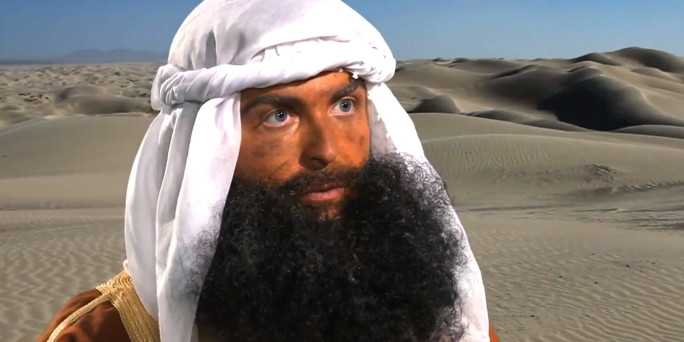
Anti-American Islamists have used the video as an excuse
to attack U.S. interests abroad this week even though al-Qaeda and other
more sophisticated and organized terrorists are most likely behind the
attacks. The U.S. Ambassador and a former Navy SEAL were among the
Americans who have been murdered by violent mobs.
White House Press Secretary Jay Carney said the White House had asked Google to consider if the video violated Google’s terms of service.
Secretary of State Hillary Clinton and President Barack Obama are
trying to blame the attacks on the video to deflect from their foreign
policy and intelligence failures.
Google said it was censoring the video in countries like
Egypt, Libya, India, and Indonesia in compliance with the laws of those
countries.
"We've restricted access to it in countries where it is
illegal such as India and Indonesia, as well as in Libya and Egypt,
given the very sensitive situations in these two countries," Google said
in a statement. "This approach is entirely consistent with principles
we first laid out in 2007."
America does not have such laws, and Google's rejection of
the White House's request for censorship is evidence of how different
America's values are from those of other countries, especially when it
comes to freedom of expression.
Tension often exists between political freedom, particularly freedom of speech, and certain examples of art, literature, speech or other acts considered by some to be sacrilegious or blasphemous. The extent to which this tension has not been resolved is manifested in numerous instances of controversy and conflict around the world.
Although many laws prohibiting blasphemy have long been repealed, particularly in the West, they remain in place in many countries and jurisdictions. In some cases such laws are still on the books, but are no longer actively enforced.
The issue of freedom of speech versus blasphemy cannot be seen in isolation from the role of religion as a source of political power in some societies. In such a society, to blaspheme is to threaten not only a religion, but also the entire political power order of the society, and hence, the official punishments (and popular responses to blasphemy) tend to be more severe and violent.
Freedom of speech versus blasphemy
Tension often exists between political freedom, particularly freedom of speech, and certain examples of art, literature, speech or other acts considered by some to be sacrilegious or blasphemous. The extent to which this tension has not been resolved is manifested in numerous instances of controversy and conflict around the world.
Although many laws prohibiting blasphemy have long been repealed, particularly in the West, they remain in place in many countries and jurisdictions. In some cases such laws are still on the books, but are no longer actively enforced.
The issue of freedom of speech versus blasphemy cannot be seen in isolation from the role of religion as a source of political power in some societies. In such a society, to blaspheme is to threaten not only a religion, but also the entire political power order of the society, and hence, the official punishments (and popular responses to blasphemy) tend to be more severe and violent.

No comments:
Post a Comment